
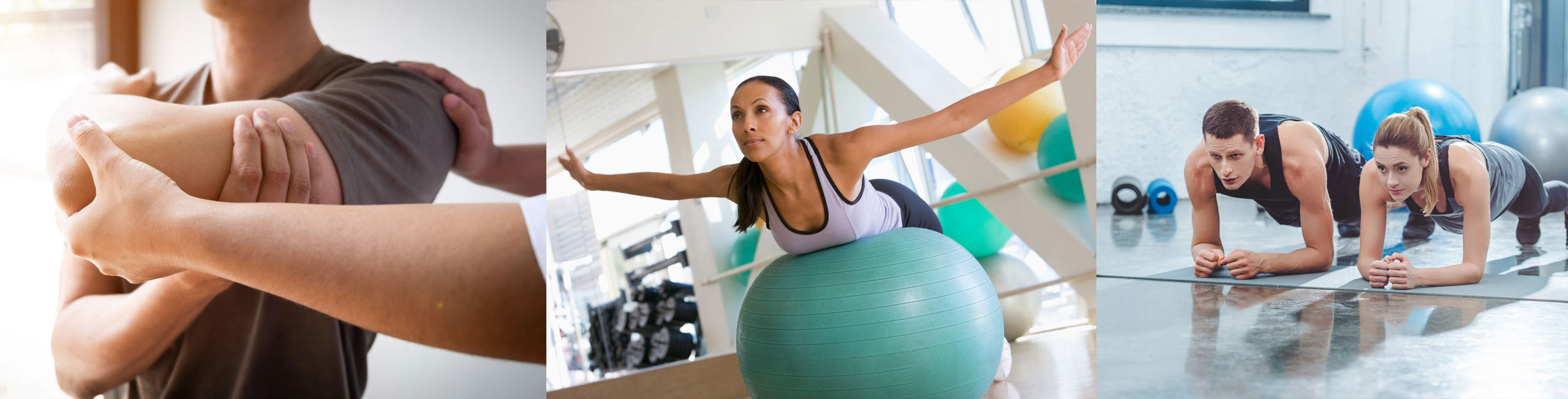

Researchers from the University of Sydney published an interesting study in the British Medical Journal. Lindy Clemson and colleagues found that incorporating strength, motion, and balance exercises into everyday activities reduces the rate of accidental falls by 31%. For instance, when carrying groceries from the car, subjects may have been instructed to walk sideways to […]

Laughter, while not a replacement for medical treatment or physical exercise, offers numerous benefits for both mind and body. A growing body of research highlights the positive effects of laughter on various aspects of health. Physical Health Benefits: Mental and Emotional Health Benefits: Beyond physical advantages, laughter plays a crucial role in mental and emotional […]

Get it done faster. That seems to be what most people want in life. For your fitness routine, interval training may help with that. There’s research to back up the theories. Interval training involves cardio workouts in which you alternate bursts of vigorous exercise with slower recovery periods. When you do this in such a […]
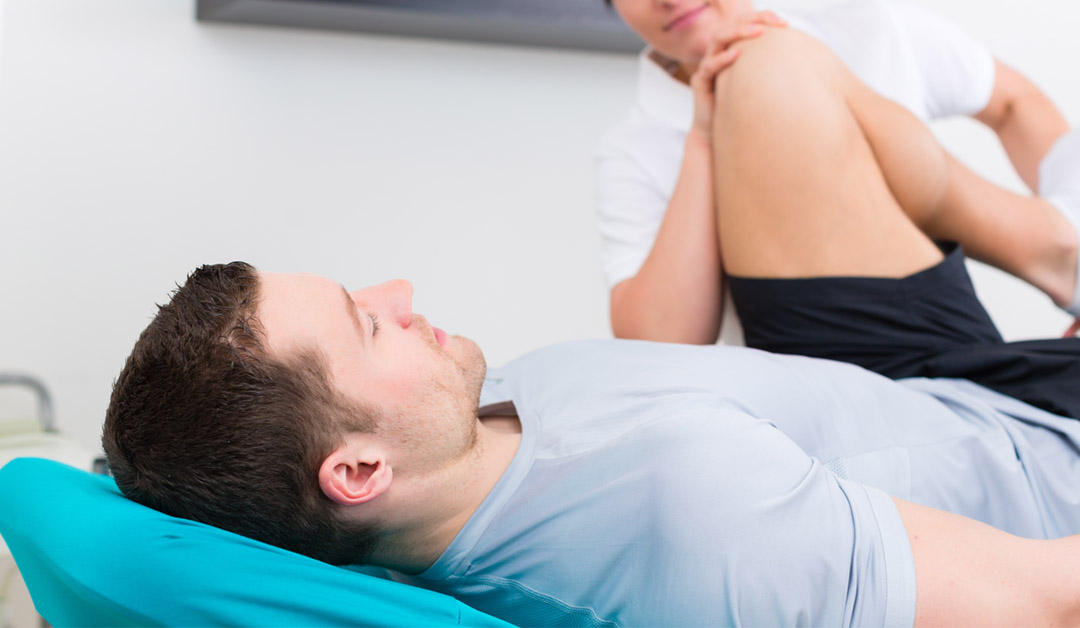
If you find yourself seated for the majority of the day, it’s common to experience stiffness or discomfort in your hips upon standing. This is often due to tight hip flexor muscles, a frequent consequence of prolonged sitting. Incorporating specific stretches into your daily routine can alleviate this tightness and enhance hip flexibility. Understanding Hip […]

Engaging in regular physical activity is associated with increased brain volume in critical areas, including gray and white matter and the hippocampus, according to recent research. Study Overview: • Objective: To explore the neuroprotective effects of regular physical activity on brain structure, addressing the unclear relationship between exercise and reduced dementia risk. • Method: Researchers […]

It’s no secret that cardiovascular problems during our middle and latter years can cause cognitive decline as we age. However, a new study shows that high blood pressure, high cholesterol levels, and elevated blood sugars in early adulthood are also linked to cognitive deficits later in life. The study started with over 3000 people between […]

When it comes to reducing the risk for Alzheimer disease, exercise is the best policy. While reading, crossword puzzles, and eating healthy are important in our overall well-being, the one thing that seems to make a difference in lowering the risk of Alzheimer disease is physical activity, specifically running. Researchers from the Cooper Institute have […]
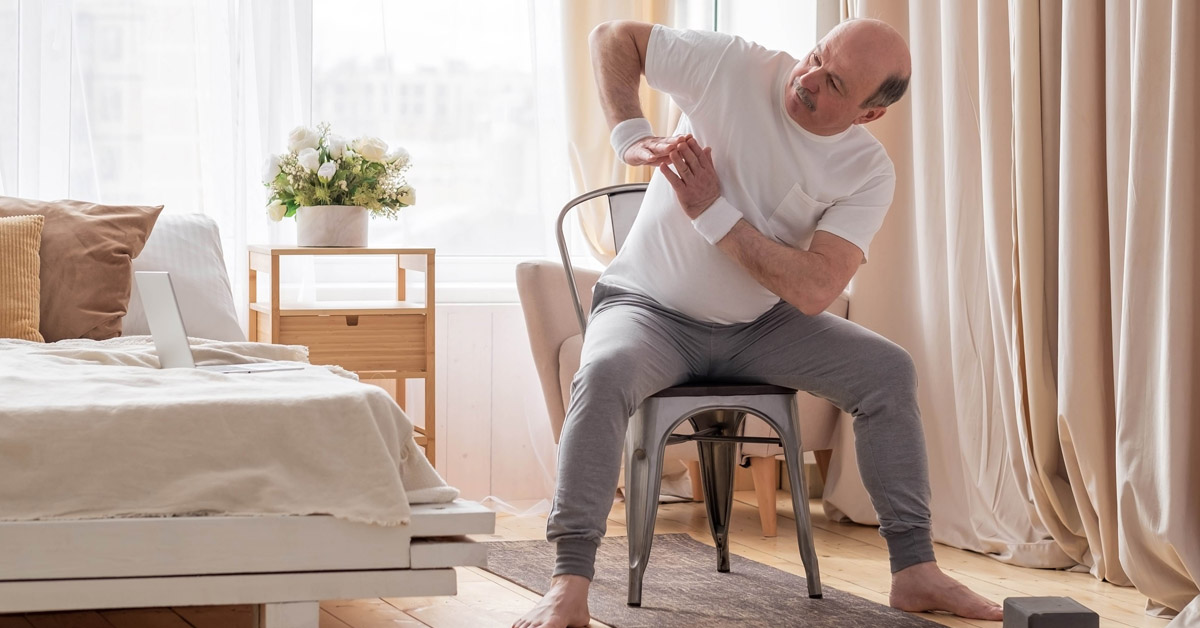
Chair exercises are a great way to engage the joints and burn calories, while also providing several other physical and mental health benefits. Regular practice can help improve: • Posture• Flexibility• Muscle strength• Circulation• Balance A study that gathered feedback from instructors of chair-based exercise programs, highlighted positive outcomes for older adults and individuals with […]

As we age, our muscle tissue, bone density, and overall strength naturally decline, increasing the risk of accidents and injuries that can hinder an active, independent lifestyle. Engaging in strength training is a highly effective method to slow, and potentially reverse, these age-related changes. Strong muscles enhance the body’s efficiency in several ways: Improved Oxygen […]
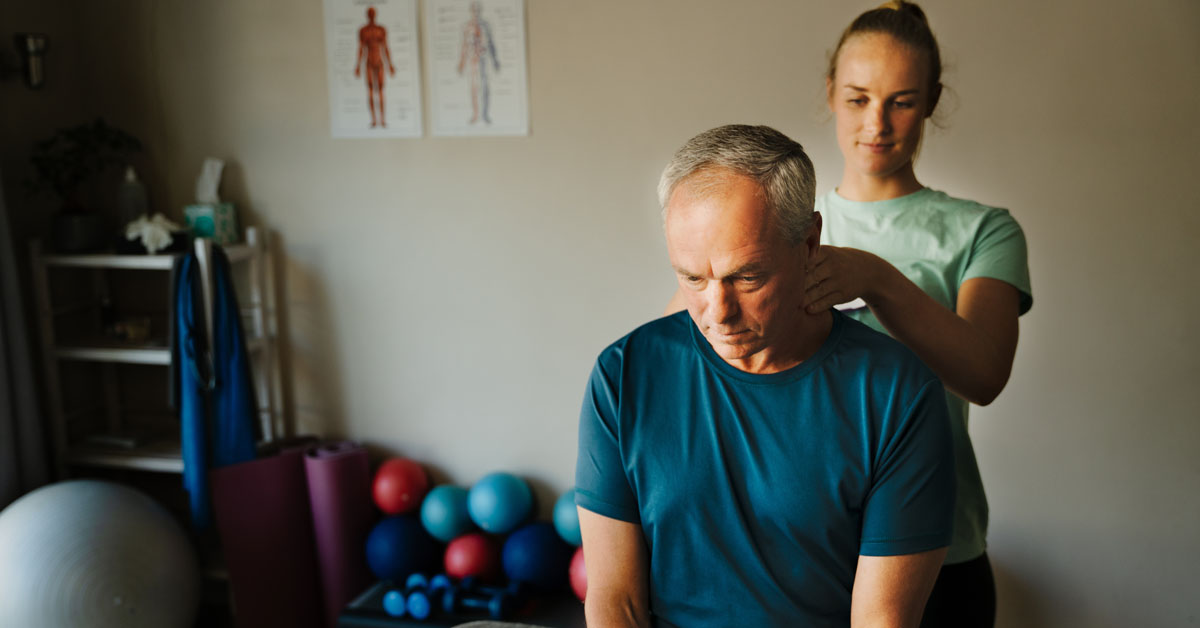
As patients, many of us have turned to the internet to learn more about health conditions, symptoms, and treatment options. But how does this pre-visit online research impact your appointment with your physical therapist? Is it helpful, or could it potentially lead to confusion? Recent studies shed light on the so-called “Googling Effect” and its […]
